
How Does Importing from Nigeria Work?
Importing from Nigeria involves several stages. First, the buyer identifies a suitable product and contacts a supplier. Next, both parties agree on the specifications, price and delivery conditions. Finally, the supplier prepares the goods for export, while the buyer arranges payment, shipping coordination and import clearance.
For international buyers, preparation is essential. A mistake during supplier selection can affect the entire transaction. Similarly, unclear product specifications can cause quality disputes after delivery.
Therefore, buyers should understand each stage before committing funds. They should also confirm the import rules in their destination countries before shipping.
This guide explains how to import agricultural commodities from Nigeria in 12 practical steps. It covers the process from the first enquiry to final cargo delivery.
The 12 Steps for Importing from Nigeria
The importing process follows this general sequence:
- Define your product and import requirements.
- Contact Nigerian suppliers.
- Verify the supplier.
- Request and approve product samples.
- Agree on the contract and commercial terms.
- Confirm destination-country import requirements.
- Arrange quality and quantity inspection.
- Agree on payment and complete the transaction.
- Prepare export documents and cargo.
- Arrange shipping and track the shipment.
- Prepare for customs clearance.
- Receive and inspect the delivered goods.
Some activities can happen at the same time. For example, buyers can check import regulations while suppliers prepare product samples. However, essential checks should never be skipped to save time.
Step-by-Step Process for Importing from Nigeria
Step 1: Define the Product You Want to Import
Before contacting a supplier, establish exactly what you need. A general request for cocoa, cashew or sesame is not enough.
Different buyers require different grades and processing conditions. In addition, packaging and destination requirements can affect the final price.
Start by defining these details:
- Product: Identify the exact agricultural commodity.
- Grade: State the required grade or commercial specification.
- Quality: Specify purity, moisture, size, colour and acceptable foreign matter.
- Processing: Explain whether you need raw, dried, cleaned, sorted, shelled or processed produce.
- Quantity: State the required weight in kilograms or metric tonnes.
- Packaging: Specify bag size, material and labelling requirements.
- Destination: Provide the importing country and preferred delivery port.
- Inspection: Identify any testing or independent inspection requirements.
For example, a buyer importing sesame seeds should specify the required purity, moisture level and foreign matter limits. A cocoa buyer may also need to state the required bean grade and acceptable defect levels.
These details help suppliers prepare accurate quotations. More importantly, they give both parties a clear standard for the final delivery.
Step 2: Send an Enquiry to Nigerian Suppliers
Once your specifications are ready, contact potential suppliers in Nigeria.
Your first enquiry should contain enough information for the supplier to understand the order. This makes the quotation process easier. It also reduces unnecessary communication.
Include the following information:
- Company name and country.
- Product name and required grade.
- Estimated order quantity.
- Quality specifications.
- Packaging requirements.
- Destination port or country.
- Preferred delivery terms.
- Expected purchase timeline.
- Required certificates or inspection arrangements.
Example supplier enquiry
Subject: Enquiry for Bulk Agricultural Products
Dear Sales Team,
We are interested in importing [Product Name] from Nigeria for delivery to [Destination Country].
Kindly provide your quotation for [Required Quantity]. Please include the available grades, product specifications, packaging options and minimum order quantity.
We would also appreciate information about sample availability, inspection arrangements and the export documents you can provide.
Our preferred delivery terms are [Agreed Incoterms Rule], with delivery to [Destination Port].
We look forward to reviewing your offer.
Kind regards,
[Name]
[Company]
[Contact Details]
After sending the enquiry, compare the responses carefully. Do not select a supplier based on price alone. Consider product quality, communication, documentation and supply capacity as well.
Step 3: Verify the Nigerian Supplier
Before placing an order, verify the company you intend to work with.
A website or social media account does not prove that a business can fulfil an export order. Therefore, request information that can be checked independently.
Start with the company’s identity.
Check the business registration
- Request the registered company name.
- Ask for its Corporate Affairs Commission (CAC) registration details.
- Confirm that the name matches the business documents.
- Verify the identity of the person representing the company.
Inspect export readiness
- Request the supplier’s NEPC Exporter’s Certificate.
- Confirm that the supplier understands the relevant export procedures.
- Ask which regulatory certificates apply to the commodity.
- Request evidence of previous export transactions where available.
Verify operational capacity
- Ask where the commodity is sourced.
- Find out whether the supplier controls the warehouse or processing facility.
- Confirm the available quantity.
- Ask how the supplier will meet the agreed delivery schedule.
Examine payment information
- Confirm the beneficiary’s name.
- Compare the bank details with the contracting party.
- Independently verify any unexpected changes to payment instructions.
NEPC provides an official exporter registration process for businesses exporting from Nigeria. Buyers can also use company records and other independent checks to assess a supplier’s identity.
However, registration alone does not guarantee product quality or successful delivery. Always verify the supplier’s actual ability to fulfil the order.
Step 4: Request and Evaluate Product Samples
After identifying a potential supplier, request a representative sample.
A sample allows you to assess the product before committing to a bulk purchase. This is particularly important for agricultural commodities because quality can vary between batches.
For a useful assessment, request a sample that represents the goods intended for your order.
Check the following:
- Physical appearance and colour.
- Product size and consistency.
- Cleanliness and foreign matter.
- Moisture content.
- Odour and signs of deterioration.
- Pest damage or infestation.
- Processing quality.
- Relevant laboratory test results.
Some commodities also require food-safety testing. Depending on the product and destination, this may include pesticide residues, aflatoxins, heavy metals or microbiological contamination.
Where necessary, use a competent laboratory to assess the sample. Agree on the required testing methods and acceptable limits before ordering.
Why sample approval matters
The approved sample should form part of the purchase agreement. Both parties should understand the quality standard expected in the bulk shipment.
Nevertheless, sample approval does not guarantee that every bag will have identical characteristics. That is why a separate bulk inspection remains important.
Step 5: Agree on the Contract and Commercial Terms
Once you approve the sample, negotiate the final transaction terms.
A written contract gives the buyer and supplier a shared record of their obligations. It also provides a basis for resolving disagreements.
Your agreement should cover the following areas.
Product specifications
- Exact commodity and grade.
- Agreed quality parameters.
- Approved sample reference.
- Acceptable tolerances.
- Testing and inspection procedures.
Quantity and packaging
- Total order quantity.
- Unit of measurement.
- Permitted quantity variation.
- Bag size and packaging material.
- Labelling and marking requirements.
Price and delivery
- Unit price and total contract value.
- Payment currency.
- Named delivery location or port.
- Agreed Incoterms rule and version.
- Shipment period.
- Freight and insurance responsibilities.
Payment conditions
- Required deposit, if applicable.
- Balance payment conditions.
- Payment method.
- Documents required before payment.
- Cancellation and refund provisions.
Inspection and documentation
- Inspection company or agency.
- Inspection location and timing.
- Quality and quantity checks.
- Required certificates.
- Procedures for handling non-conforming goods.
Incoterms rules help define the responsibilities of buyers and sellers. For instance, FOB and CIF allocate certain transport, insurance and risk responsibilities differently.
Therefore, state the exact rule and named port or place in the contract. Do not rely on an unclear delivery description.
Both parties should review the agreement before signing. Keep copies of the contract, approved specifications and related correspondence.
Step 6: Confirm Import Requirements in Your Country
Before the supplier prepares the bulk order, check the rules governing the importation of your commodity.
This step is essential because Nigerian export approval does not automatically guarantee entry into another country.
Import requirements differ by destination and product. Consequently, buyers should consult the relevant authorities before shipment.
Check whether your product requires:
- An import permit or licence.
- A phytosanitary certificate.
- Food safety or health certification.
- Pesticide residue testing.
- Contaminant testing.
- Fumigation or other treatment.
- Special packaging or labelling.
- A certificate of origin.
- Specific customs classification and duty payments.
For plant products, the importing country may require phytosanitary documentation. Food commodities may also face additional safety controls.
Contact the relevant plant health, food safety or customs authority in your country. Alternatively, consult a qualified customs broker who understands your commodity.
Most importantly, obtain the requirements for your exact product. Do not assume that the rules for one agricultural commodity also apply to another.
Step 7: Arrange Quality and Quantity Inspection
Before shipment, inspect the bulk goods against the agreed specifications.
This step helps confirm that the supplier has prepared the correct product and quantity. It also reduces the risk of receiving goods that differ from the approved sample.
Arrange the inspection before loading whenever possible. Both parties should agree on the inspection method in the contract.
Product quality checks
Inspectors may check:
- Grade and physical condition.
- Moisture content.
- Purity and foreign matter.
- Size and colour.
- Processing consistency.
- Signs of pests, mould or deterioration.
Quantity and weight checks
The inspection should also confirm:
- Total quantity supplied.
- Number of bags or packages.
- Weight per bag.
- Gross and net weight.
- Accuracy of weighing records.
Packaging checks
Next, examine the packaging. Check the bag material, strength, sealing and labelling. Also confirm that the packaging is suitable for storage and transport.
Container checks
For containerised shipments, inspect the container before loading. It should be clean, dry and suitable for the cargo. Check that the goods are properly stacked and secured.
In Nigeria, the Federal Produce Inspection Service (FPIS) provides agricultural produce inspection and quality control. Its published functions include checking produce, packaging, weights and fumigation requirements.
The Nigeria Agricultural Quarantine Service (NAQS) handles plant health inspection and phytosanitary certification for regulated plant products.
The relevant inspection requirements depend on the commodity and destination. Therefore, confirm which agency or independent inspection provider applies to your shipment.
Step 8: Agree on Payment and Complete the Transaction
After confirming the contract and inspection arrangements, finalise the payment process.
The payment structure should reflect the order value, supplier relationship and transaction risks. Both parties should understand when payment is due and what evidence is required.
Common arrangements include:
Advance payment
The buyer pays before the supplier prepares or ships the goods. This arrangement may be used in some transactions, but it exposes the buyer to greater delivery risk.
Deposit and balance
The buyer pays an agreed deposit. The remaining amount becomes due when specified conditions are met.
Documentary collection
Banks handle the exchange of shipping documents against payment or acceptance. However, this arrangement does not provide the same payment guarantee as a letter of credit.
Letter of credit
A bank undertakes to pay the exporter when the documents meet the credit’s terms. Both parties must pay close attention to the required documents and deadlines.
Before transferring funds:
- Review the signed contract.
- Confirm the final invoice.
- Verify the beneficiary’s bank details independently.
- Check the agreed payment milestones.
- Confirm the conditions for releasing the balance.
- Keep payment confirmations and transaction records.
Avoid sending money to an unrelated account without independently verifying the arrangement. In addition, treat unexpected bank-detail changes as a warning that requires further checks.
Payment confirmation is not proof of inspection or shipment. Keep these stages separate and request evidence for each one.
Step 9: Prepare Export Documents and Cargo
Once the order is confirmed, the Nigerian supplier prepares the goods and the applicable export documents.
Formal exports from Nigeria involve several agencies and procedures. The exact requirements depend on the commodity, transaction and destination.
The following documents may be relevant:
| Document | Main purpose |
|---|---|
| Proforma invoice | Provides the proposed price, quantity and commercial terms. |
| Sales contract | Records the buyer’s and seller’s agreed obligations. |
| Commercial invoice | States the goods sold and their transaction value. |
| Packing list | Shows package numbers, contents and weights. |
| NEPC Exporter’s Certificate | Confirms the exporter’s registration with NEPC. |
| Form NXP | Records a commercial export transaction through the applicable banking process. |
| Phytosanitary certificate | Confirms that regulated plant products meet applicable plant-health requirements. |
| Certificate of origin | Identifies the country of origin when required. |
| Inspection certificate | Records relevant inspection findings when required or agreed. |
| Bill of lading | Serves as a key transport document for sea freight. |
| Air waybill | Records the contract of carriage for air freight. |
Not every shipment requires every document listed above. For example, a phytosanitary certificate applies where plant-health rules require it. Similarly, a bill of lading relates to sea freight, while an air waybill relates to air transport.
NEPC provides guidance on export documents and procedures. The Nigeria Customs Service also publishes export procedure information.
In addition, the exporter should confirm the current requirements for Form NXP and applicable customs declarations. Buyers should request a document checklist for their particular shipment.
Before shipment, review the draft documents. Check the product description, quantity, weights, consignee details and destination information. These details should remain consistent across the relevant documents.
Step 10: Arrange Shipping and Track the Shipment
After the goods are prepared and the required export procedures are completed, arrange transport to the destination.
The two common international freight options are sea freight and air freight.
Sea freight
Sea freight is commonly used for large agricultural commodity orders. It is suitable for many containerised shipments and generally offers a lower transport cost per unit for heavy cargo.
However, transit times depend on the destination, carrier and shipping route.
Air freight
Air freight may suit samples, urgent orders and smaller shipments. It usually costs more per unit of weight, so buyers should compare the full transport cost before choosing it.
Before booking, confirm:
- Departure and destination ports or airports.
- Shipping method.
- Carrier details.
- Expected departure date.
- Estimated transit period.
- Freight and insurance responsibilities.
- Container type, where applicable.
- Cargo tracking arrangements.
For sea freight, request the vessel and voyage details. Also obtain the bill of lading information when available.
For air freight, request the air waybill number. This allows you to follow the shipment through the carrier’s tracking system.
Meanwhile, maintain communication with the supplier and freight forwarder. Regular updates help you prepare for arrival and respond to delays.
Step 11: Prepare for Customs Clearance and Cargo Arrival
Do not wait for the shipment to reach your destination before preparing for customs clearance.
Instead, work with your customs broker or appointed agent while the goods are in transit.
Review the shipping documents and confirm that they meet the destination country’s requirements.
Prepare the following:
- Commercial invoice.
- Packing list.
- Bill of lading or air waybill.
- Import permit, where required.
- Relevant certificates.
- Customs classification.
- Applicable duties and taxes.
- Inspection or clearance appointments.
Also, confirm the estimated arrival date. Check the port’s procedures and the time allowed for collecting the cargo.
Late clearance can create additional charges. These may include storage, demurrage and detention fees, depending on the port and carrier arrangements.
Furthermore, remember that vessel arrival does not mean the cargo is cleared. Customs and other relevant authorities must complete their required checks before release.
Step 12: Receive and Inspect the Delivered Goods
The final stage is receiving the cargo and checking whether it meets the contract.
Once the goods are released, compare the shipment with your purchase records.
Check:
- Total number of packages.
- Gross and net weights.
- Packaging condition.
- Product appearance.
- Quality against the agreed specifications.
- Consistency with the approved sample.
- Relevant inspection and laboratory results.
If the contract requires laboratory testing, arrange it according to the agreed sampling procedure.
However, do not ignore shortages or damage. Record any problem immediately. Take photographs and retain the relevant packaging and documents.
Notify the supplier and other responsible parties within the time limits stated in the contract. If insurance applies, follow the insurer’s claims procedure as well.
Finally, reconcile the quantity received, payments made and total delivery costs. Keep the records for future orders.
This final review helps you evaluate the supplier and improve your next purchase.
Importing from Nigeria: A Practical Transaction Timeline
The total time required depends on the commodity, supplier, order size and destination. Sample delivery, product preparation, inspection, documentation and customs clearance can all affect the schedule.
The table below provides an illustrative planning guide. These are not official processing times or guaranteed delivery periods.
| Stage | Main activity | Indicative planning period |
|---|---|---|
| Initial enquiry | Send specifications and receive quotations | 1–5 working days |
| Supplier verification | Check company identity and export capability | 2–7 working days |
| Sample approval | Prepare, deliver and evaluate samples | 1–3 weeks or longer |
| Contract agreement | Finalise price, quality and delivery terms | 2–7 working days |
| Import checks | Confirm permits and destination requirements | Varies by country and commodity |
| Bulk preparation | Source, process and package the goods | 1–4 weeks or longer |
| Inspection | Check quality, weight and packaging | Depends on the inspection arrangements |
| Documentation | Prepare applicable export documents | Varies by shipment |
| Shipping | Transport goods to the destination | Depends on the route and carrier |
| Customs clearance | Complete import procedures and collect cargo | Depends on the destination |
Some stages can overlap. For instance, the buyer can confirm import requirements while the supplier prepares the bulk order.
Nevertheless, allow enough time for sample approval and inspection. Rushing these stages can create problems that are more expensive to resolve after shipment.
What Determines the Cost of Importing from Nigeria?
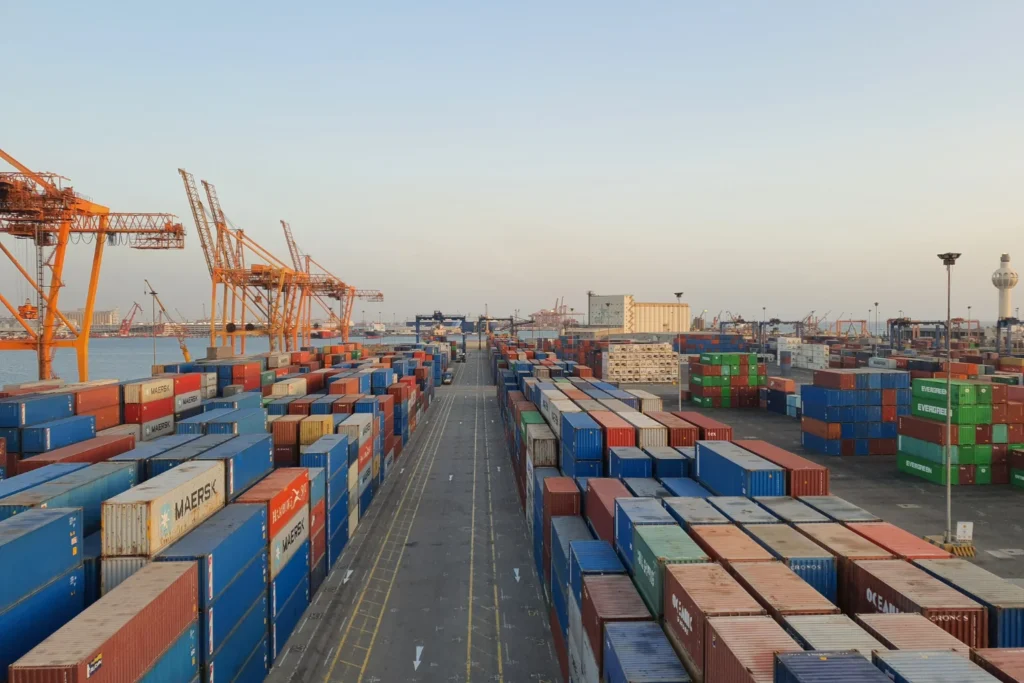
The total cost is more than the supplier’s quoted product price. Buyers should calculate the full cost of moving the goods from the supplier to the final destination.
Consider these cost areas:
- Product cost: The agreed price of the agricultural commodity.
- Packaging: Bags, labelling and other packaging materials.
- Inspection: Independent inspection and laboratory testing, where applicable.
- Export costs: Relevant documentation, handling and export procedures.
- Freight: Sea or air transport charges.
- Insurance: Cargo insurance, where applicable.
- Destination charges: Port handling, customs brokerage and other local fees.
- Import duties and taxes: Charges imposed by the destination country.
- Final delivery: Transport from the port or airport to the buyer’s warehouse.
The agreed Incoterms rule determines how certain costs and responsibilities are divided between the buyer and seller.
Therefore, request a clear quotation. Compare offers using the same product specifications, quantity, delivery point and commercial terms.
Common Mistakes to Avoid When Importing from Nigeria
Even a promising transaction can encounter problems when important checks are overlooked.
Here are common mistakes and how to avoid them.
1. Sending an Unclear Enquiry
A vague request can lead to inaccurate quotations.
What to do: State the product, grade, quantity, packaging and destination clearly.
2. Choosing a Supplier Based on Price Alone
The cheapest quotation may not offer the required quality or supply capacity.
What to do: Compare product specifications, supplier records, inspection arrangements and delivery terms.
3. Paying Before Supplier Verification
An unverified supplier can expose the buyer to financial loss.
What to do: Check the company, representatives and payment details before transferring funds.
4. Skipping Sample Approval
Without a sample, the buyer may have limited evidence of product suitability.
What to do: Request a representative sample and approve the relevant specifications before bulk production or sourcing.
5. Ignoring Import Regulations
A shipment may leave Nigeria but fail to meet destination-country requirements.
What to do: Confirm permits, certificates and applicable product standards before shipment.
6. Leaving Inspection Until the Last Minute
Late inspection arrangements can delay the transaction.
What to do: Agree on inspection requirements during contract negotiation.
7. Using Unclear Payment Conditions
Unclear payment terms can cause disputes between buyers and suppliers.
What to do: Record the payment milestones and required evidence in the contract.
8. Reviewing Documents Too Late
Inconsistent documents can delay customs clearance.
What to do: Check draft documents before shipment.
9. Preparing for Clearance After Arrival
Late preparation can lead to additional storage and handling costs.
What to do: Work with a customs broker while the cargo is in transit.
Importing from Nigeria: Buyer Checklist
Use this checklist to monitor your order from the first enquiry to delivery.
Prior to placing an order
- Define the exact commodity and specifications.
- Confirm the required quantity and packaging.
- Identify the destination country and port.
- Send a detailed supplier enquiry.
- Verify the supplier’s business identity.
- Check export registration and operational capacity.
- Request and evaluate a representative sample.
- Confirm destination-country import requirements.
Before making payment
- Agree on product specifications.
- Review and sign the contract.
- Confirm the final price and delivery terms.
- Agree on inspection arrangements.
- Confirm payment milestones.
- Verify bank details independently.
- Keep copies of transaction records.
Ahead of shipment
- Confirm bulk product quality.
- Check quantity and weight.
- Complete the agreed inspection.
- Review the commercial invoice.
- Check the packing list.
- Confirm applicable export documents.
- Agree on freight and insurance responsibilities.
- Obtain shipment details.
Before and after arrival
- Send documents to the customs broker.
- Confirm duties and destination charges.
- Arrange required import inspections.
- Monitor the estimated arrival date.
- Complete customs clearance.
- Inspect the delivered goods.
- Record shortages or damage.
- Reconcile the final quantity and costs.
Frequently Asked Questions About Importing from Nigeria
1. What is the first step when importing from Nigeria?
Start by defining the product you want to purchase. Identify the grade, quantity, quality specifications, packaging and destination. Then send a detailed enquiry to potential Nigerian suppliers.
2. How can I find a reliable supplier in Nigeria?
Check the supplier’s business registration, export registration where applicable and operational capacity. Also request product samples and verify payment details independently. Do not rely on a website or social media account alone.
3. Can I request samples before placing a bulk order?
Yes. Buyers can request samples before committing to a large purchase. Evaluate the sample against your required specifications. Then include the approved standard in the purchase contract.
4. What documents are required when importing agricultural products from Nigeria?
Common documents include a commercial invoice, packing list and shipping document. Depending on the commodity and destination, you may also need a phytosanitary certificate, certificate of origin, inspection certificate and other regulatory documents.
5. Do agricultural products from Nigeria require a phytosanitary certificate?
Some plant products require a phytosanitary certificate. The requirement depends on the commodity and the importing country’s plant health regulations. Confirm the exact conditions with the relevant destination authority.
6. How can I check product quality before shipment?
Request a representative sample and agree on measurable quality specifications. You can also arrange independent inspection and laboratory testing. These checks help confirm whether the bulk goods meet the contract.
7. What payment methods can buyers use?
Depending on the transaction, buyers and suppliers may agree on advance payment, a deposit and balance arrangement, documentary collection or a letter of credit. Each option has different risks and requirements. Choose a method that suits the transaction and document the conditions clearly.
8. How long does importing from Nigeria take?
There is no fixed timeline for every shipment. Supplier verification, sample delivery, bulk preparation, inspection, documentation, shipping and customs clearance all affect the total period. Ask for separate estimates for preparation, transit and destination clearance.
9. Can agricultural products be shipped from Nigeria by air?
Yes. Air freight can suit samples, urgent orders and smaller shipments. However, sea freight is commonly considered for larger or heavier commodity orders because it can offer a lower transport cost per unit.
10. What happens if the delivered goods do not match the approved sample?
Document the differences as soon as possible. Take photographs, retain relevant records and arrange testing if necessary. Then notify the supplier within the contractual claim period and follow the agreed dispute or insurance process.
11. Who handles customs clearance after the cargo arrives?
The importer is responsible for meeting the destination country’s import requirements. Many buyers appoint a qualified customs broker or freight forwarder to handle the clearance process. The exact responsibilities also depend on the delivery terms.
Request a Quote for Agricultural Products from Nigeria
Are you planning to import agricultural commodities from Nigeria? Start by identifying your product requirements and expected order quantity.
DORAMAC welcomes enquiries from international buyers seeking agricultural products and export supply information.
To help us understand your requirements, provide:
- Commodity name.
- Required grade or specifications.
- Order quantity.
- Packaging preference.
- Destination country and port.
- Preferred delivery terms.
- Expected shipment period.
A detailed enquiry makes it easier to assess product availability, pricing and the arrangements required for your order.
Contact DORAMAC to discuss your agricultural commodity requirements and request a quotation.
Conclusion
Importing from Nigeria requires more than finding a supplier and arranging transport. Buyers must verify the business, assess product quality and agree on clear commercial terms.
They must also confirm destination-country regulations before shipment. In addition, inspection, payment and documentation should follow the agreed contract.
By following these 12 steps, international buyers can manage the process with greater clarity. They can also identify potential problems before the goods leave Nigeria.
The best approach is to verify first, agree on the details, inspect before shipment and prepare for arrival early.
Official References
For current export procedures and regulatory requirements, consult the relevant Nigerian authorities:
- Nigeria Export Promotion Council (NEPC): Exporter registration and export documentation.
- Nigeria Customs Service (NCS): Export declarations and customs procedures.
- Nigeria Agricultural Quarantine Service (NAQS): Plant health inspection and phytosanitary certification.
- Federal Produce Inspection Service (FPIS): Agricultural produce inspection and quality control.