
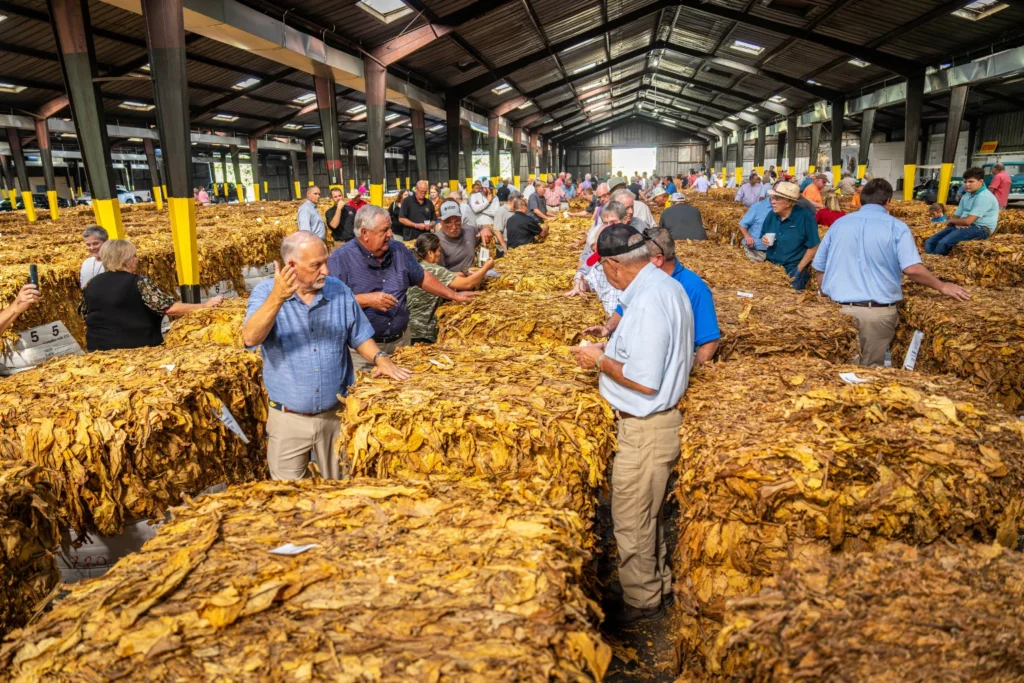
Finding a Nigerian supplier is only the first step in an international commodity transaction.
Before sending payment or committing to a large order, an overseas buyer should establish whether the supplier is a real business, whether it can actually supply the required commodity, whether the product meets the agreed specification and whether the proposed transaction structure provides reasonable protection for both parties.
This is especially important when sourcing agricultural commodities such as cocoa, cashew, sesame, shea products and other bulk produce.
A professional supplier should be able to provide clear business information, communicate specifications accurately, support reasonable verification, provide representative samples and work with an agreed inspection and documentation process.
The purpose of due diligence is not to eliminate every risk. It is to identify important risks early enough to make an informed purchasing decision.
Nigerian Supplier Due Diligence Checklist
Before committing to a supplier, work through the following four areas:
- Company verification
- Product and sample verification
- Inspection and shipment verification
- Payment and transaction protection
Then review the warning signs before making a final decision.
Verify the Nigerian Company
A supplier’s online presence is not enough to establish that the business is capable of fulfilling your order.
Start by checking the company’s basic identity.
Company Verification Checklist
– Confirm the company’s registered business name.
– Confirm the company’s physical business address.
– Check available corporate registration information.
– Confirm that the company’s name is consistent across its documents.
– Check the company email domain where applicable.
– Verify the telephone numbers used by the business.
– Confirm the name and position of the person negotiating the transaction.
– Request company documentation appropriate to the transaction.
– Check whether the company has relevant experience with the commodity you want to purchase.
– Ask for evidence of previous export activity where commercially appropriate.
– Request trade or business references where available.
The information provided by the supplier should be consistent.
For example, the company name on the quotation, invoice, contract and payment instructions should not unexpectedly change.
Verify the Company’s Export Capability
Being registered as a business does not automatically prove that a company has the capacity to fulfil a large export order.
Ask:
- How long has the company been operating?
- What commodities does it handle?
- Where is the commodity sourced?
- What quantity can it supply?
- Does it operate its own facility or work with third-party processors or aggregators?
- What export markets has it served?
- What quality-control process does it use?
- Which documents can it provide?
- How is the commodity stored before shipment?
The objective is to establish whether the supplier’s actual operating capability matches the proposed transaction.
Verify the Product Before Buying in Bulk
A supplier can be legitimate and still provide a product that does not meet your requirements.
Product verification should therefore be treated separately from company verification.
Define the specification before evaluating the supplier’s offer.
Depending on the commodity, this may include:
- Grade
- Variety
- Moisture
- Purity
- Foreign matter
- Defect limits
- Size
- Colour
- Weight
- Packaging
- Processing condition
- Contaminant limits
- Required certifications
Avoid vague descriptions such as “premium quality” or “export quality” unless they are supported by measurable specifications.
Request a Representative Sample
Where practical, request a sample before confirming a substantial order.
The sample should be representative of the product being offered.
Check:
– Product appearance
– Colour
– Size
– Cleanliness
– Moisture
– Foreign matter
– Visible defects
– Pest damage
– Mould
– Odour
– Processing condition
For commodities where laboratory analysis is important, arrange appropriate testing rather than relying only on visual inspection.
Establish a Clear Inspection Process
A sample is useful, but it does not guarantee that the bulk shipment will match the sample.
The contract should therefore define how the commercial shipment will be inspected.
Agree on:
- Who conducts the inspection
- Where inspection takes place
- When inspection takes place
- Sampling method
- Testing method
- Quality parameters
- Acceptable tolerances
- Quantity verification
- Packaging inspection
- Documentation requirements
- Procedure if the shipment fails inspection
For larger transactions, an independent inspection company may provide an additional layer of verification.
The exact inspection arrangement should be agreed before the cargo is shipped.
What Should Be Inspected?
Depending on the commodity, inspection may cover:
Product Quality
- Moisture
- Purity
- Foreign matter
- Defects
- Size
- Colour
- Mould
- Insect damage
Quantity
- Number of bags
- Net weight
- Gross weight
- Container weight
- Loading records
Packaging
- Bag condition
- Labelling
- Seals
- Contamination
- Packaging suitability
Shipment
- Container condition
- Container number
- Seal number
- Loading photographs
- Shipping documents
Verify Documents Before Payment
Documentation should be consistent across the transaction.
Compare the information on:
- Quotation
- Proforma invoice
- Commercial invoice
- Contract
- Packing list
- Certificates
- Inspection documents
- Shipping documents
- Payment instructions
Look for inconsistencies in:
- Company name
- Address
- Product
- Quantity
- Price
- Currency
- Bank beneficiary
- Shipment destination
- Contract reference
An unexplained discrepancy should be investigated before payment.
Use Safer Payment Structures
Payment risk is one of the most important considerations in international sourcing.
There is no single payment method that is appropriate for every transaction.
The appropriate structure depends on:
- Supplier relationship
- Order value
- Country and destination
- Commodity
- Contract terms
- Banking arrangements
- Inspection requirements
- Trade finance availability
- Risk allocation between buyer and seller
Possible structures may include:
- Deposit plus balance
- Payment against agreed documents
- Letter of credit
- Documentary collection
- Other structured trade-payment arrangements
The important principle is that payment should be connected to clearly defined contractual milestones where practical.
Protect the Payment Process
Before transferring funds:
– First, Confirm the beneficiary name.
– Next, Confirm the bank account details independently.
– Confirm that the beneficiary matches the contracting entity or understand the documented reason if it does not.
– Review the final invoice.
– Also, Confirm the agreed amount.
– Then, Confirm the currency.
– Confirm the payment stage.
– Afterwards, Confirm the relevant contract or purchase order.
– Independently verify any unexpected change to banking details.
Never rely solely on a new bank account number sent through an email or messaging application.
If banking information changes during a transaction, verify the change through a trusted communication channel that was already established.
Check the Supplier’s Ability to Handle the Order
A reliable Nigerian supplier may be genuine but still lack the operational capacity for the quantity you require.
Ask the supplier to explain:
- Current available stock
- Sourcing locations
- Storage capacity
- Processing capacity
- Packaging capability
- Quality-control process
- Loading arrangements
- Export experience
- Expected preparation time
For a large order, consider whether the reliable Nigerian supplier can realistically assemble the required quantity while maintaining the agreed quality.
A reliable Nigerian supplier offering an unusually large volume should be able to explain how that volume will be sourced and controlled.
Verify the Supply Chain
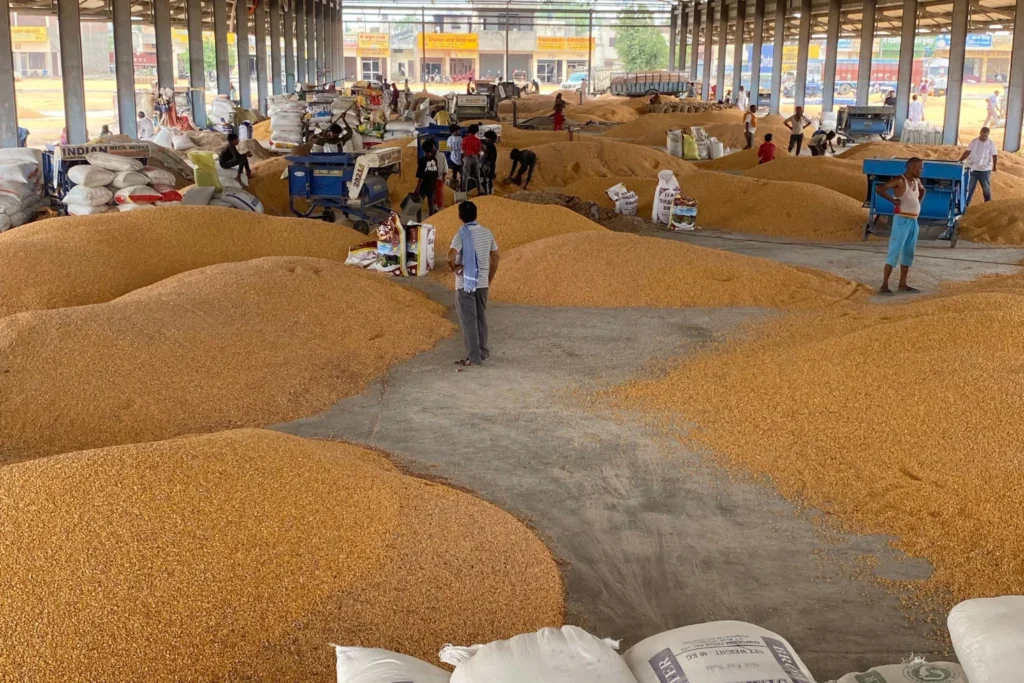
For agricultural commodities, understanding where the product comes from can be as important as verifying the exporter.
Ask:
- Is the commodity produced directly by the supplier?
- Is it purchased from farmers?
- Is it sourced through aggregators?
- Where is it stored?
- How is it graded?
- How is it protected from contamination?
- How is traceability maintained?
For regulated commodities and destination markets with strict food-safety requirements, traceability can become particularly important.
Look for These Warning Signs
A warning sign does not automatically prove that a supplier is fraudulent.
However, multiple unresolved warning signs should trigger additional verification before proceeding.
Warning Sign 1: Unusually Low Pricing
A quotation that is significantly below other comparable offers should be investigated.
Ask why the price is different.
Possible explanations may include:
- Different quality
- Different grade
- Different delivery terms
- Different packaging
- Different quantity
- Temporary market conditions
Do not assume that the lowest quotation represents the best commercial opportunity.
Warning Sign 2: Pressure to Pay Immediately
Be cautious if a supplier creates unnecessary urgency around payment.
Examples include:
- “Pay today or the price changes.”
- “Send the deposit immediately.”
- “The shipment must leave tonight.”
- “There is no time for inspection.”
Legitimate commercial deadlines can exist, but pressure should not replace reasonable verification.
Warning Sign 3: Refusal to Provide a Sample
If the transaction is suitable for sampling and the supplier refuses without a reasonable explanation, investigate further.
Warning Sign 4: Refusal of Independent Inspection
For transactions where inspection is commercially reasonable, resistance to an agreed independent inspection should be treated as a reason to ask additional questions.
Warning Sign 5: Inconsistent Company Information
Be cautious if the company name, address, bank beneficiary, invoice information and contract details do not match without a clear explanation.
Warning Sign 6: Last-Minute Bank Changes
A sudden request to send funds to a different account should always be independently verified.
Warning Sign 7: Vague Product Specifications
A reliable Nigerian supplier who cannot clearly explain the grade, quality parameters or testing method may not be able to consistently supply the required product.
Warning Sign 8: Poor Documentation
Incomplete or inconsistent documentation can create problems during payment, export processing and destination clearance.
Warning Sign 9: Unwillingness to Answer Basic Questions
A professional reliable Nigerian supplier should be able to explain its product, process, documentation and transaction terms clearly.
Warning Sign 10: Claims That Cannot Be Verified
Be cautious about unsupported claims such as:
- “Guaranteed government approval”
- “Guaranteed customs clearance”
- “Guaranteed premium quality”
- “Guaranteed lowest price”
- “No inspection required”
Ask for evidence rather than relying on assurances.
Conduct a Pre-Shipment Verification
Before the cargo leaves Nigeria, confirm that the shipment still matches the original agreement.
Check:
– Product
– Grade
– Quantity
– Weight
– Packaging
– Quality
– Inspection results
– Laboratory results where required
– Certificates
– Container number
– Seal number
– Shipping documents
– Destination information
The purpose is to make sure the cargo being shipped is the cargo that was purchased.
Keep a Complete Transaction Record
Maintain a central record of the transaction.
Store:
- Supplier profile
- Company documents
- Quotations
- Sample information
- Laboratory results
- Inspection reports
- Purchase agreement
- Invoices
- Payment records
- Certificates
- Packing lists
- Shipping documents
- Photographs
- Communication relating to important commercial decisions
A documented transaction is easier to audit and easier to resolve if a dispute occurs.
Free Nigerian Supplier Due Diligence Checklist
Use this checklist before committing to a significant international commodity purchase.
Company
– Company identity verified
– Business registration information checked
– Physical address confirmed
– Contact details verified
– Key representative identified
– Export experience reviewed
– Commodity experience confirmed
Product
– Product clearly specified
– Grade confirmed
– Quantity confirmed
– Packaging confirmed
– Sample requested
– Sample evaluated
– Laboratory testing considered
– Quality tolerances documented
Inspection
– Inspection procedure agreed
– Independent inspection considered
– Sampling method agreed
– Weight verification agreed
– Packaging inspection agreed
– Failure/rejection procedure agreed
Payment
– Payment terms documented
– Beneficiary name verified
– Bank details independently confirmed
– Invoice checked against contract
– Payment milestones understood
– Unexpected payment changes independently verified
Shipping
– Export documentation identified
– Required certificates confirmed
– Container information recorded
– Seal information recorded
– Shipping documents reviewed
– Destination requirements confirmed
Risk
– Supplier has answered key questions
– Pricing has been compared against comparable offers
– Unusual claims have been verified
– No unresolved warning signs remain
– Important agreements are documented
A Simple Supplier Verification Rule
Before committing significant funds, aim to establish four things:
The company is real.
The product is real.
The shipment can be independently verified.
The payment structure is understood and documented.
If one of these remains unclear, pause the transaction and investigate before proceeding.
Questions to Ask a Nigerian Supplier
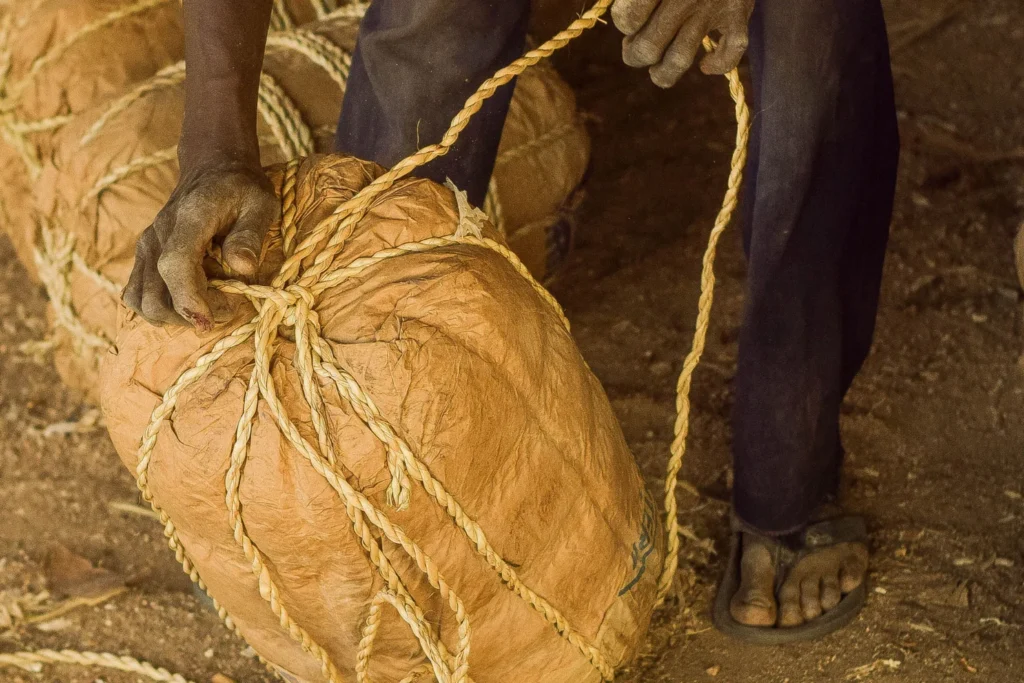
Before placing a bulk order, consider asking:
- What is your registered business name?
- Where is your business physically located?
- How long have you supplied this commodity?
- Where is the commodity sourced?
- What quantity is currently available?
- What quality specification does the product meet?
- Can you provide a representative sample?
- What inspection process do you use?
- Can an independent inspection be arranged?
- Which export documents will you provide?
- What are the payment terms?
- Who is the legal beneficiary of the payment?
- How will the cargo be packaged?
- How will the shipment be weighed?
- What happens if the shipment fails the agreed specification?
- What is the expected preparation and shipping schedule?
A reliable Nigerian supplier does not need to answer every question in exactly the same way. The objective is to establish whether the answers are clear, consistent and supported by appropriate documentation.
When Should a Buyer Walk Away?
A buyer should consider pausing or withdrawing from a transaction when important risks cannot be resolved.
Examples include:
- Supplier identity cannot be adequately verified.
- Critical documents appear inconsistent.
- Payment instructions cannot be independently confirmed.
- The supplier refuses reasonable verification.
- Product specifications remain unclear.
- The supplier refuses an agreed inspection process.
- Major contractual terms remain undocumented.
- The supplier makes significant claims that cannot be verified.
- The transaction requires unexplained urgency or unusual payment arrangements.
Walking away from an uncertain transaction can be less costly than trying to recover funds or resolve a failed shipment later.
Final Due Diligence Checklist
Before sending a significant payment, ask yourself:
Do I know exactly who I am buying from?
Do I know exactly what I am buying?
Have I seen or tested a representative sample?
Can the bulk shipment be independently inspected?
Are the commercial terms documented?
Are the payment instructions verified?
Do I understand who is responsible for shipping and clearance?
Do I have the required documentation?
Have I checked the destination-country requirements?
Have all major warning signs been resolved?
If the answer to any critical question is no, do not treat the transaction as ready simply because the supplier is offering an attractive price.
Download the Free Supplier Due Diligence Checklist
Use the DORAMAC Supplier Due Diligence Checklist as a practical pre-purchase reference when evaluating Nigerian agricultural commodity suppliers.
The checklist can be used to document:
- Company verification
- Product verification
- Sample assessment
- Inspection requirements
- Payment checks
- Documentation
- Shipping verification
- Warning signs
- Final approval
For larger transactions, buyers can also adapt the checklist into an internal procurement approval process so that important verification steps are completed consistently before payment.
Conclusion
Supplier due diligence should happen before the transaction becomes financially difficult to reverse.
For international buyers sourcing agricultural commodities from Nigeria, the most useful approach is to separate the process into clear verification stages:
First, Verify the company.
Next, Verify the product.
Then, Verify the shipment.
Verify the payment process.
Verify the documents.
Then review the warning signs before committing significant funds.
A reliable Nigerian supplier is not simply one who offers a good price or communicates quickly. Reliability is demonstrated through consistent information, transparent commercial terms, appropriate documentation, willingness to support reasonable verification and the ability to deliver the agreed product under the agreed conditions.
The goal of due diligence is not to create unnecessary friction. It is to make the transaction clearer before money and cargo move.
Always verify important business, payment, regulatory and import information independently and according to the requirements of the specific transaction and destination market.