
If you are learning how to buy commodities in bulk in Nigeria, the hardest part is usually not finding a supplier. It is knowing whether the quotation, sample, quantity, quality and transaction terms all describe the same deal. A low quoted figure can become expensive when the grade is unclear, the actual weight differs from the agreed quantity, or the documentation is incomplete.
Bulk agricultural commodities also vary naturally. Cocoa, cashew, sesame, dried seafood and other products can differ by origin, harvest conditions, handling, cleaning, moisture, grading and intended market. A serious buyer therefore needs a process that separates what has been promised from what has actually been verified.
This guide gives you a practical buying framework based on the DORAMAC method: Understand, Specify, Verify, Confirm, Ship. It is designed to help buyers compare quotations properly, approve samples, confirm quantity and weight, understand payment terms, assess packaging and request the documents needed before committing funds.
Careful commodity buying is not about finding the quickest quotation; it is about making sure the product, specification, quantity, supplier and transaction terms remain consistent from inquiry to shipment.
Quick Answer
To buy agricultural commodities in bulk from Nigeria responsibly, first define the exact product and specification, then compare quotations on a like-for-like basis. Request a representative sample, confirm quantity and weighing method, agree packaging and delivery terms, clarify payment conditions and request relevant documentation before payment or shipment. Where food safety or regulatory requirements apply, confirm the current requirements with the relevant authority or inspection body rather than relying on an old specification.
At A Glance
| Topic | Bulk agricultural commodity purchasing |
|---|---|
| Who it is for | Nigerian buyers, wholesalers, processors, retailers and overseas buyers |
| Key products | Cocoa, cashew, sesame, dried seafood and other agricultural commodities |
| Check first | Product specification, grade, quantity, sample and supplier identity |
| Confirm with an authority | Applicable food, export, inspection or destination requirements |
| Common risk | Paying against an unclear specification or unverifiable quantity |
| Next step | Turn the agreed specification into a written quotation and purchase record |
Why Bulk Commodity Buying Needs Context

A commodity is not automatically a uniform product simply because it has the same name. Two lots of the same agricultural product may differ in appearance, cleanliness, moisture, maturity, size distribution, foreign material, packaging and handling history. The difference may be important to a processor, wholesaler or importer even when it is difficult to see from a photograph.
Seasonality also affects availability. Harvest conditions vary by commodity, production area and year, so buyers should avoid treating a supplier’s statement about availability as a permanent market fact. Where timing affects the transaction, confirm current availability and expected supply conditions before committing.
Regulatory requirements can vary according to the product, destination and intended use. Food-related products may also require attention to hygiene, labelling, inspection or other requirements. Current requirements should be checked with the relevant authority or inspection body. NAFDAC food guidance is one useful starting point for Nigerian food-related regulatory information.
Distance adds another layer of risk. A buyer may approve a sample in one location and later receive a larger lot that does not match it. The purpose of a buying process is therefore to create enough evidence that the agreed product can be identified, checked and reconciled at each important stage.
The Core Problem Buyers Face
Many buyers begin with the wrong question: “Who has the cheapest quotation?” A stronger question is: “How can I verify that this supplier can provide the exact product, quality and quantity I need under terms I understand?” Price becomes useful only after the underlying specifications are comparable. Otherwise, apparently cheaper quotations may simply describe different products or different levels of service.
1. Compare Quotations Like for Like
One of the most important parts of a bulk buying checklist Nigeria buyers can use is learning to compare quotations beyond the headline figure. A quotation should be treated as a description of a transaction, not merely a price.
Start with the product name
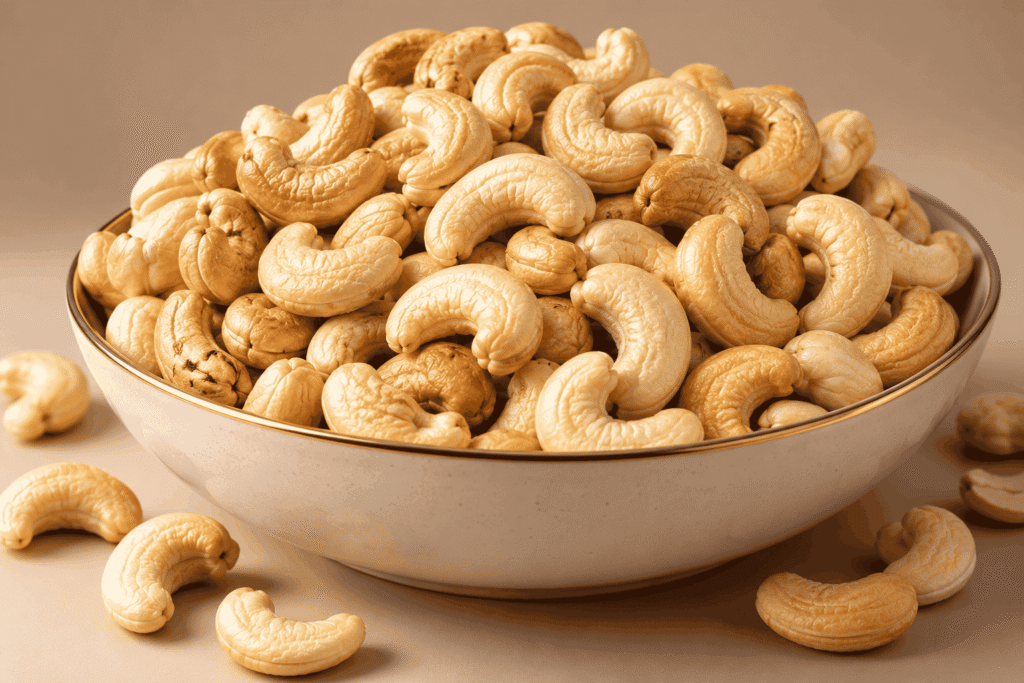
Record the exact commodity, product form and intended use. “Cashew” may not be sufficient if one quotation concerns raw nuts while another concerns processed kernels. Similarly, “cocoa” does not by itself establish the characteristics of the beans being offered.
Compare the specification
Put the important quality requirements beside each quotation. Depending on the commodity, these may include grade, size, colour, cleanliness, moisture, foreign material, damage, packaging and other buyer-specific requirements. If a supplier has not specified a characteristic that matters to you, ask rather than assuming.
Compare quantity and unit
Check whether suppliers are quoting per kilogram, bag, metric tonne or another unit. Then determine whether the stated quantity refers to net product weight or includes packaging. A quotation is difficult to compare if the unit basis is unclear.
A useful internal comparison should therefore separate product, quality, quantity, packaging, delivery responsibility and payment terms. Only then should you compare the commercial figure.
2. Request and Approve a Representative Sample
A sample is not simply a marketing photograph in physical form. It should give the buyer an opportunity to examine the characteristics that matter to the transaction.
What should a sample tell you?
Depending on the commodity, inspect appearance, consistency, cleanliness, smell, visible defects, size distribution, packaging condition and any other agreed characteristics. For food commodities, consider whether additional laboratory or inspection checks are appropriate for the intended market.
Ask how the sample was selected. If a supplier sends a particularly attractive handful from a much larger stock, the sample may not represent the complete lot. For a significant order, discuss how the production or warehouse lot will be identified and how conformity will be checked.
Once a sample is approved, keep a record of what was approved. Photographs can support the record, but a written specification is stronger because it explains what characteristics actually matter.
For buyers also evaluating physical product quality, the dried crayfish quality guide provides a product-specific example of why appearance, handling and storage conditions should be considered together rather than judged from one visual feature.
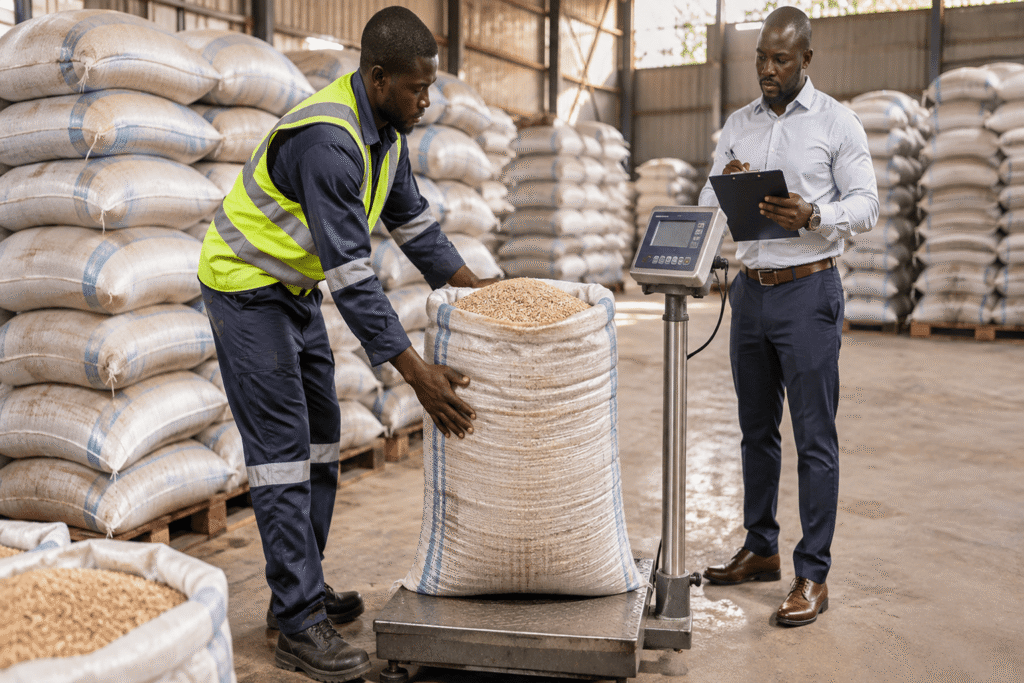
3. Confirm Quantity and Weight
Quantity sounds straightforward until different parties use different measurement points. A buyer should know exactly what quantity has been ordered, how it will be measured and when the final quantity will be confirmed.
Ask how the commodity will be weighed
Clarify whether the stated quantity is gross or net weight. Packaging can materially affect gross weight, so the commercial agreement should make the basis clear.
Consider independent verification
For a material order, consider whether weighing should be witnessed or independently verified. The appropriate method depends on the commodity, transaction size, location and risk allocation.
Match documents to physical quantity
Do not treat a number appearing on an invoice or quotation as proof that the physical quantity exists. Where appropriate, reconcile the agreed quantity with weighing records, packing information and shipment documentation.
The same principle applies to bags. “One hundred bags” does not necessarily answer the question of quantity unless the agreed weight per bag and the actual contents are clear.
4. Clarify Payment Terms and Deposits
Payment is one of the points where a reasonable commodity transaction can become unnecessarily risky. The objective is not to assume that every deposit is suspicious. The objective is to understand what the payment is securing and what evidence supports the transaction.
Ask what triggers each payment
If a transaction involves an initial payment, ask what it covers and what happens next. Is it connected to procurement, preparation, packaging, inspection or another agreed stage? The answer should be consistent with the written transaction terms.
Make the payment record specific
Payment documentation should identify the parties, commodity, agreed quantity, specification and relevant transaction reference. Avoid relying exclusively on informal messages when a significant amount of money is involved.
Do not let urgency replace verification
A supplier asking for immediate payment is not automatically acting improperly, but urgency should not prevent normal verification. If important questions remain unanswered, clarify them before releasing funds.
Buyers should also understand that payment structure is only one part of risk management. A well-written agreement does not compensate for an unclear product specification, and a strong sample does not compensate for an unverifiable supplier.
5. Confirm Packaging and Delivery Requirements
Packaging is part of the transaction because it affects handling, storage, protection and the condition in which the commodity reaches the buyer.
Specify the packaging format
Record the agreed bag, sack, carton or other packaging format, together with the intended quantity per package where relevant. If the destination market has packaging or labelling requirements, confirm them before packing begins.
Think about handling
Ask where the goods will be stored before dispatch and how they will be protected from moisture, contamination, pests and avoidable damage. The appropriate conditions vary by commodity.
Define delivery responsibility
Clarify the delivery point and which party is responsible for transport, loading, unloading, inspection and other agreed activities. For international transactions, these responsibilities should be consistent with the shipping and commercial documents.
A useful buying record should make it possible for another person to read the transaction later and understand what was meant without having to reconstruct the agreement from multiple conversations.
6. Request the Documents That Matter
Documents should support verification rather than simply make a transaction appear formal. The correct documents depend on the commodity, destination and transaction structure.
Start with commercial documents
Ask for a clear quotation or pro forma document identifying the product, specification, quantity, packaging, commercial terms and payment conditions. Before payment, make sure the details correspond with what has actually been discussed.
Ask about quality evidence
Where applicable, ask what inspection, laboratory testing or certificate of analysis is available and whether the document relates to the actual lot being supplied.
Consider regulatory documentation
For regulated food products or export transactions, identify the documents required for the specific transaction rather than asking for every possible certificate. Requirements can change, so current requirements should be confirmed with the relevant authority.
NAFDAC provides food guidance and regulatory information for food-related activities in Nigeria. The Codex Alimentarius also provides an international food standards reference point. Neither source should be treated as a substitute for confirming the requirements that apply to your particular product and destination.
The 10-Point Bulk Buying Checklist
| Check | What to look for | Why it matters |
|---|---|---|
| 1. Product identity | Exact commodity, form and intended specification | Prevents different products being compared as if they were identical |
| 2. Quality grade | Agreed quality characteristics and tolerances | Creates a measurable basis for acceptance |
| 3. Sample | Representative sample and approval record | Reduces uncertainty about the physical product |
| 4. Quantity | Agreed amount and measurement unit | Prevents disputes over what was ordered |
| 5. Weight | Gross or net basis and weighing method | Makes quantity independently understandable |
| 6. Supplier identity | Consistent business and transaction details | Helps establish who is actually responsible for supply |
| 7. Payment | Amount, timing and conditions for each payment | Reduces financial and communication risk |
| 8. Packaging | Format, quantity per package and protection | Supports handling, storage and delivery |
| 9. Documents | Commercial, quality and regulatory documents as applicable | Creates an evidence trail for the transaction |
| 10. Delivery | Delivery point, responsibility and shipment arrangements | Prevents last-stage misunderstandings |
7. Turn the Agreement Into a Written Specification
One of the strongest improvements a buyer can make is to stop treating WhatsApp conversations, calls and quotations as separate pieces of information. Consolidate the final agreement into one written specification.
The document should identify the commodity, grade or specification, quantity, measurement basis, packaging, delivery point, payment terms, inspection arrangements and required documentation. If there is an approved sample, record its reference as well.
This does not need to be unnecessarily complicated. The objective is traceability. If a dispute arises later, both parties should be able to see what was actually agreed.
8. Separate Quality Verification From Supplier Verification
A supplier can offer a genuine commodity and still fail to meet your specification. Conversely, a well-presented sample does not by itself establish that the supplier can consistently provide the agreed quantity.
That is why quality verification and supplier verification should be treated as two separate questions.
Quality question
“Does this product meet the specification I need?”
Supplier question
“Can I establish who I am dealing with, what they are responsible for, and whether the transaction information is consistent?”
This distinction is particularly useful when comparing several quotations. It prevents a buyer from treating a low price, attractive photograph or polished conversation as evidence of both product quality and supply capability.
For a broader international transaction, buyers can also review the Nigerian supplier verification guide before committing to a new supplier.
9. Confirm the Destination Requirements
A commodity that is acceptable for one buyer may require different documentation, testing, packaging or labelling for another destination. This is especially important for international buyers.
Do not ask only, “Can you export this product?” Ask, “What exactly does my destination require for this product, and which party is responsible for each requirement?”
The buyer should establish the destination requirements independently where appropriate and communicate the resulting specification to the supplier. This reduces the risk of discovering a requirement only after the goods have been prepared or shipped.
Where a transaction involves food safety, import controls or other regulated requirements, confirm current rules with the relevant destination regulator or accredited inspection body.
10. Confirm Before You Release Payment or Shipment
The final verification should be treated as a decision gate. Do not allow the momentum of an order to replace evidence.
Before releasing payment or allowing shipment, reconcile the approved specification with the current commercial documents. Confirm the quantity, packaging, destination, required documentation and any agreed inspection process.
If something has changed, document the change. A different grade, packaging format, quantity, payment account, delivery point or specification should not be treated as a minor detail simply because the transaction has already started.
The goal is not to eliminate every commercial risk. That is rarely possible. The goal is to identify material risks early enough that the buyer can make an informed decision.
Common Mistakes And How To Fix Them
- Mistake: Comparing only the quoted figure. Correction: Compare specification, quantity, packaging, delivery and payment terms together. Why it matters: A lower figure may describe a different transaction.
- Mistake: Approving a photograph instead of a sample. Correction: Request a representative physical sample where practical. Why it matters: Photographs cannot establish every physical quality characteristic.
- Mistake: Leaving weight undefined. Correction: State the measurement basis and weighing method. Why it matters: Gross and net quantities are not interchangeable.
- Mistake: Paying because the supplier sounds urgent. Correction: Complete the agreed verification steps first. Why it matters: Urgency does not replace evidence.
- Mistake: Checking documents only after shipment. Correction: Identify required documents before the transaction reaches the shipping stage. Why it matters: Late discoveries can be expensive to resolve.
Red Flags To Watch For
- The product specification remains vague even after you ask specific questions.
- The supplier refuses reasonable questions about quantity, sample origin, packaging or transaction terms.
- Important commercial details change repeatedly without a clear written explanation.
- The supplier pressures you to pay before agreed verification steps are completed.
- Documents supplied do not clearly correspond with the product, supplier or transaction being discussed.
Action Checklist
Before You Order
- Define the commodity and specification.
- Compare quotations using the same quantity and quality basis.
- Request and assess a representative sample.
- Confirm the weighing and packaging method.
- Check the requirements that apply to your destination and product.
Before You Release Payment Or Shipment
- Confirm the supplier and transaction details.
- Match the approved specification with the final commercial document.
- Confirm quantity, packaging and delivery responsibility.
- Review applicable inspection and quality documentation.
- Record any changes before proceeding.
Frequently Asked Questions
How do I know a supplier is genuine?
Do not rely on one signal. Check whether the supplier’s identity, commercial documents, product information, sample, communication and transaction details are consistent. For significant orders, use appropriate independent verification before committing funds.
Should I pay a deposit?
A deposit may form part of a legitimate transaction, but the important question is what it secures and what evidence supports the payment. Agree the payment structure in writing and complete the verification steps appropriate to the transaction before paying.
How do I request a sample?
State the commodity, specification and quantity you are considering, then ask for a representative sample. Ask how it was selected and keep a record of what was approved so the final lot can be compared with the agreed specification.
What should I check before buying in bulk?
Start with product identity, specification, sample, quantity, weight, supplier identity, payment terms, packaging, documentation and delivery arrangements. The exact checks should reflect the commodity and destination.
How do I compare supplier quotations?
Normalise the quotations first. Compare the same product form, quality specification, quantity unit, packaging basis, delivery responsibility and payment terms. Only after these are comparable does the commercial figure provide a meaningful comparison.
How do I confirm quantity and weight?
Specify whether the agreed quantity is gross or net, identify the unit of measurement and establish how weighing will be conducted. For higher-risk transactions, consider appropriate independent or witnessed verification.
What documents should a commodity supplier provide?
The answer depends on the product, destination and transaction. Start with commercial documents and then identify applicable quality, inspection, regulatory and export documents. Confirm current requirements with the relevant authority or inspection body.
How can I reduce the risk of receiving a different product from my sample?
Record the approved specification and sample reference, identify the relevant lot and agree how conformity will be checked. For material transactions, consider an appropriate inspection process before final payment or shipment.
Request A Quote
If you are ready to discuss a bulk commodity requirement, send a quotation request with the product, required quantity, destination and specification. Clear information at the inquiry stage helps suppliers understand the transaction and gives buyers a stronger basis for comparing responses.
Conclusion
Buying agricultural commodities in bulk is less about finding a supplier quickly and more about creating a transaction that can be understood and verified. Product quality, quantity, supplier identity, payment terms, packaging and documentation should all connect to the same written specification.
Use the DORAMAC method consistently: Understand what you need, Specify it clearly, Verify the product and supplier, Confirm the commercial and regulatory details, then Ship only when the relevant conditions have been checked. That approach does not remove every risk, but it makes important risks visible before they become expensive.
Verify Before You Trade
Important: Regulations, quality limits, entry requirements, seasonal availability and official notices can change. Use DORAMAC for research and context, then confirm current requirements with the relevant official authority or an accredited inspection body before making formal trade decisions.
 Cocoa, Cashew and Sesame Buying Calendar: When Each Commodity Is Available in Nigeria
 Oron Crayfish Quality Guide: How to Grade, Inspect and Store Before You Buy